Gas Stove

The most reliable starting point for an OEM gas stove project is an existing, identifiable stove model—not the logo artwork. Private-label buyers should first select a suitable product structure and verify its gas configuration, intended market and technical documentation. Only then should they define the feasible branding, packaging, instruction and appearance changes. This sequence keeps discussions concrete, helps suppliers answer accurately and reduces the chance of requesting changes that are not available for a particular model.
What OEM means for a gas stove sourcing project
In B2B discussions, OEM and private label often cover supply based on a manufacturer's existing product platforms with buyer-specific presentation or agreed configuration changes. The details vary. A factory may be able to review a different product marking or carton print for one model while another change requires engineering review or is unavailable. An inquiry is not a guarantee of every customization option.
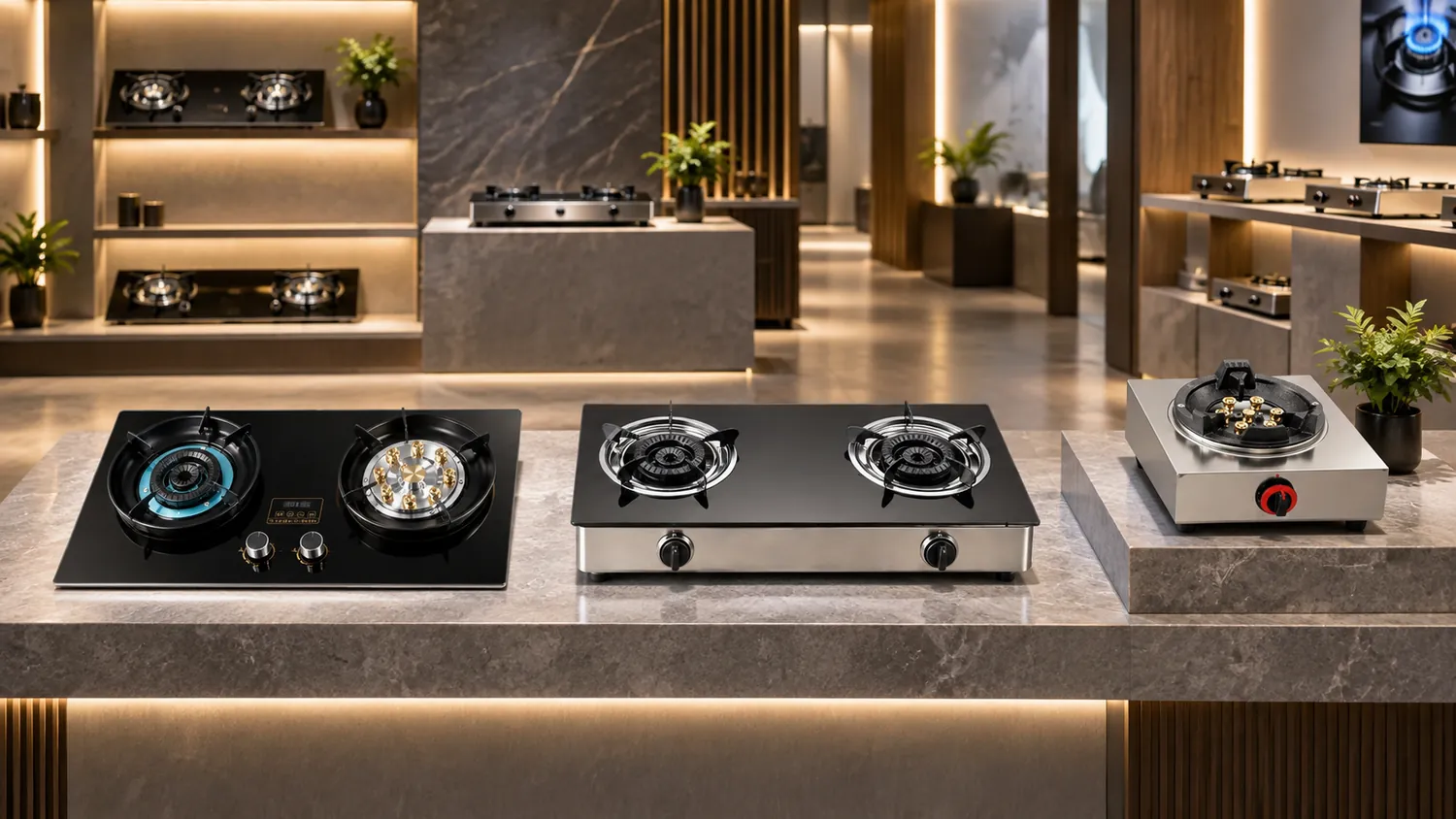
For Lichef, the clearest path is to start with the company's actual gas stove collections, choose a base model, and then explore available OEM cooperation options. This is especially useful when the customer mainly wants private-label supply instead of a ground-up stove design.
Step 1: Choose the base gas stove model
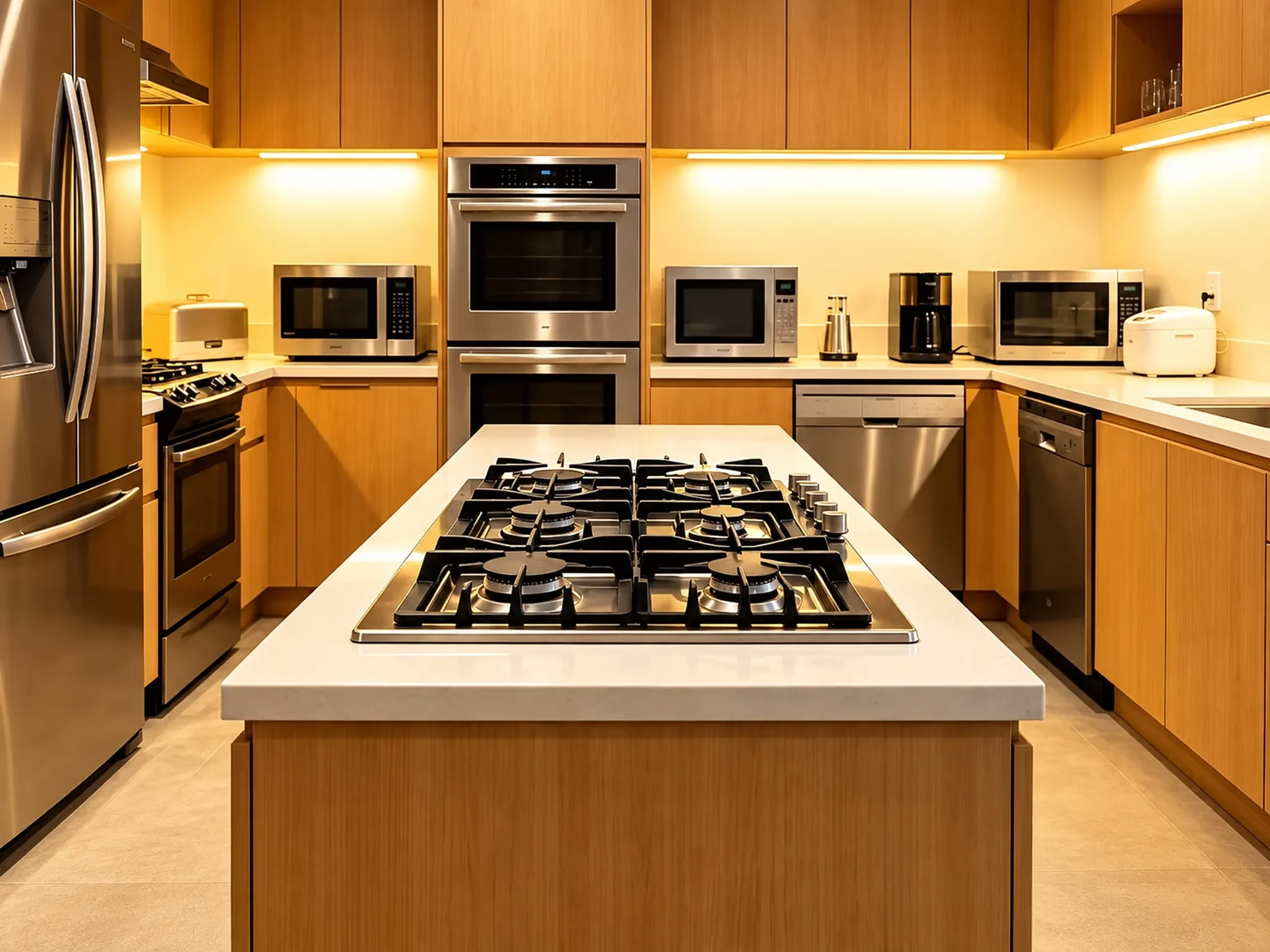
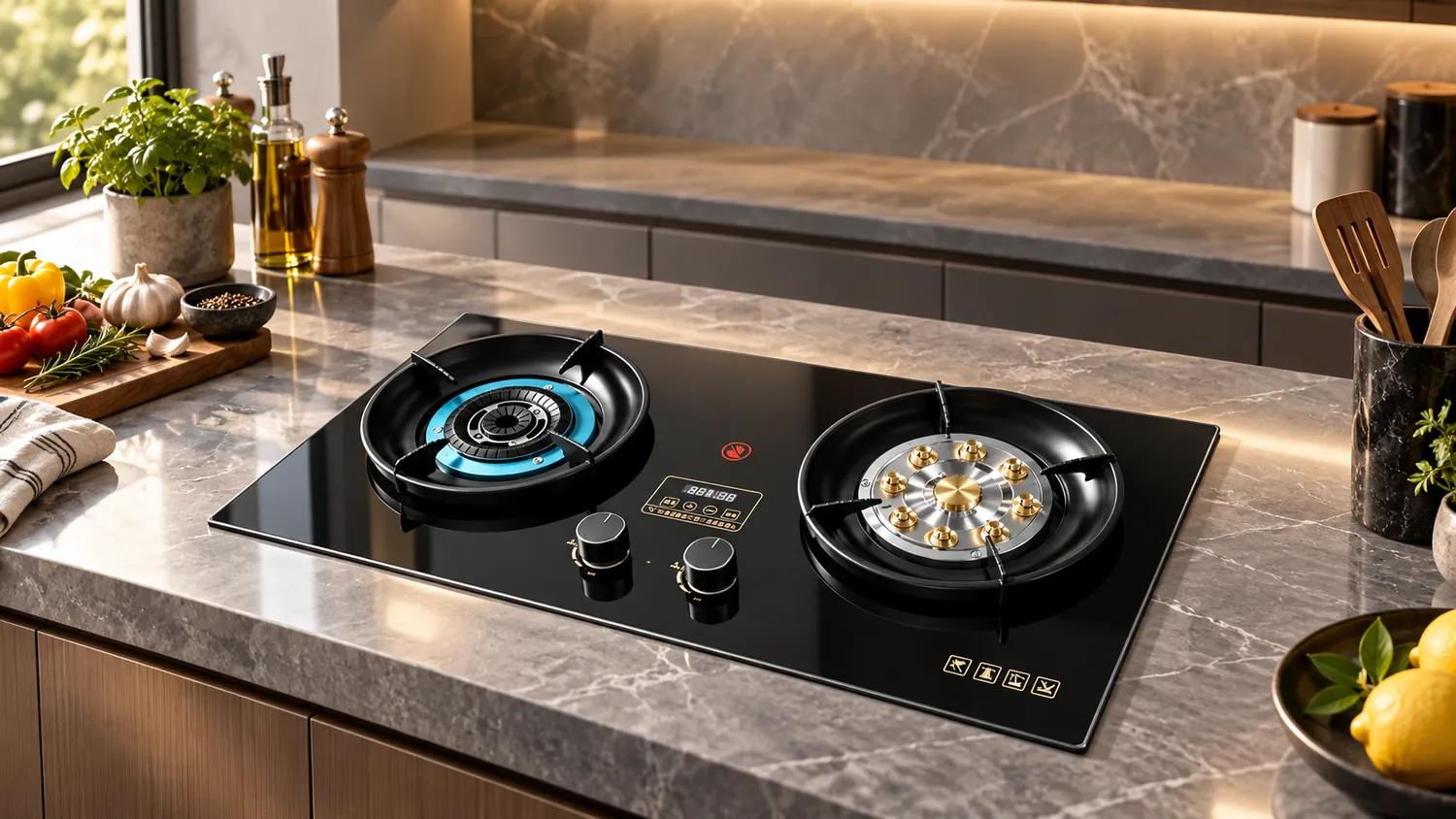
Decide whether your brand needs built-in, tabletop, glass-surface, metal-body or other models. Consider the sales channel and the appearance customers expect, but keep the functional configuration central. For a model shortlist, record the exact model identifiers and attach the images you are referring to.
One model should not be specified by a similar-looking photograph alone. Visually alike stoves may differ in burner components, controls, accessories or gas configuration. Ask the supplier to confirm which options belong to each exact model code.
Step 2: Define the destination market
A product intended for one market may not be appropriate for another. Identify the country or countries of sale, designated gas type, local gas supply conditions, language needs and any market access obligations. Where relevant, have a competent regulatory specialist or local importer review the required conformity documentation.
Do not assume natural-gas and LPG variants can be interchanged. The appliance, components and approved adjustments must match the intended conditions. Buyers should also check labeling, installer instructions and after-sales information for the target territory.
Step 3: Separate visual branding from technical changes
| Request type | What to discuss with the supplier |
|---|---|
| Logo or brand marking | Available location, marking method, color and durability |
| Gift box or master carton | Dimensions, artwork area, protective packaging and required labels |
| Manual and inserts | Language, model identity, installer information and warnings |
| Surface appearance | Existing finishes and which models can support alternatives |
| Burner or gas specification | Engineering feasibility, verified components and testing requirements |
This distinction matters because a graphic change and a combustion-system change are not equivalent tasks. Technical modifications may affect safety, documentation and market approval and must be treated accordingly.
Step 4: Prepare a model-by-model OEM brief
A useful request includes the business identity, destination market, shortlisted models, estimated order quantity, logo assets if available, desired packaging approach and questions about timing. If exact quantities are uncertain, indicate a realistic planning range rather than inventing firm numbers.
For multi-model programs, use one row per product with its own image reference and requirements. This prevents packaging dimensions, gas types or accessory expectations from being mixed between models.
Suggested OEM inquiry format
| Field | Example of useful information |
|---|---|
| Target market | Country and sales channel |
| Product base | Exact Lichef model code or catalog category |
| Gas configuration | Intended gas family and supply conditions to verify |
| Branding | Logo position and proposed packaging artwork |
| Quantity | Estimated units per model and forecast frequency |
| Documentation | Required manuals, labels and applicable conformity evidence |
| Schedule | Preferred launch period, subject to feasibility |
Step 5: Evaluate samples and documents before committing
Before approving a production order, confirm the sample or approved product reference, documented configuration, packaging proof, any relevant test or compliance records and the agreed commercial terms. If a change is made between sample and order, clarify whether it affects safety or other approval requirements. Keep the approved artwork and model identifiers under version control.
What about MOQ and lead time?
There is no responsible universal MOQ or fixed production lead time for all gas stove models. Both depend on selected model, quantities, materials, packaging changes and actual production planning. Request model-specific commercial terms rather than relying on a number presented as applying to the entire catalog.
Building a sustainable product assortment
A private-label project rarely needs dozens of SKUs at launch. Many buyers find it useful to begin with one or two product families and expand after evaluating retailer demand. Whether that is appropriate depends on your channel and volumes, not a fixed formula. The aim is clear model documentation and a stable replenishment process.
For further guidance, read the gas stove sourcing guide or use Lichef's contact form to send a shortlist and discuss which OEM options can actually be confirmed.
Frequently asked questions
Can every Lichef stove be fully customized?
Customization availability depends on the product model and proposed change. Share the intended changes and ask which can be confirmed for that model.
Does private labeling remove the need for product compliance checks?
No. Applicable market requirements still need to be satisfied, and branding arrangements can affect responsibilities within the supply chain.
What should I request first: samples or a final quotation?
Begin with the model, specification and commercial inquiry. Then agree with the supplier on a practical approval process for samples, packaging and final terms.
Discuss a model with Lichef.
Share the destination market, intended product type, model references and estimated quantity to start a concrete sourcing conversation.