Gas Stove
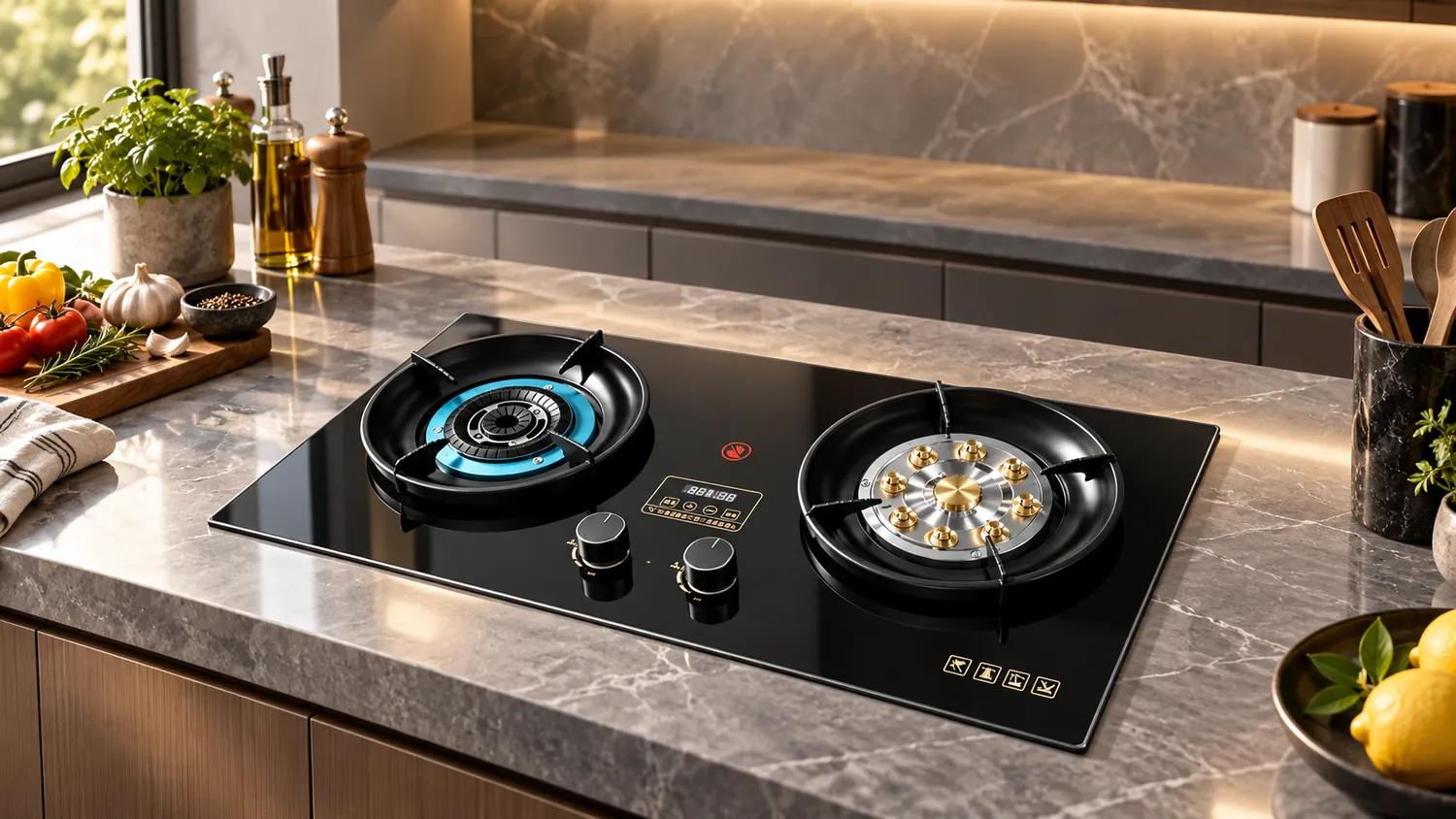
A gas stove should only be sourced for a destination after its designated gas type, supply conditions and applicable market requirements have been confirmed. Similar-looking appliances can be designed for different gas families and supply pressures. An importer's checklist needs to go beyond burner count and appearance to include model identification, installation conditions, approved instructions and the documents required by the target country. A supplier's claim that a stove is “for export” does not by itself establish that a particular model is appropriate for every market.
Why destination-market compatibility matters
Gas appliances form part of a larger system involving fuel supply, connections, ventilation, installation practices and local safety rules. A model appropriate for one market may need a different configuration or supporting documentation elsewhere. The correct approach is model-specific assessment and confirmation, not visual inference or informal assumptions.
For example, the European Union's Gas Appliances Regulation establishes obligations for appliances within its scope and links appliance category and gas conditions to safe, intended use. Other jurisdictions apply their own frameworks. Buyers should determine the rules relevant to their actual destination rather than copying documentation requests from another market.
1. Identify the designated gas family
Common terms such as LPG and natural gas are useful starting points, but a purchase specification must be more precise when required. Ask the manufacturer for the exact gas family or group and designated supply conditions for the model being quoted. Do not assume a model can simply be switched between fuels by the end customer.
Any allowed adjustment, conversion or installation needs to follow the manufacturer's instructions, applicable law and the work of qualified personnel. Do not seek or provide an improvised conversion procedure based on product photographs.
2. Check pressure and connection requirements
Gas pressure and connection arrangements can differ between destinations. The acceptable figures and fittings are defined by approved appliance specifications and local requirements. A safe quote should identify the precise model configuration rather than simply labeling it “LPG version” or “NG version” without further documentation.
Also check whether the gas connection, regulator or hose requirements are supplied with the appliance, separately specified, or determined by local installers. Do not assume an accessory is included from an exterior photograph.
3. Confirm installation and ventilation information
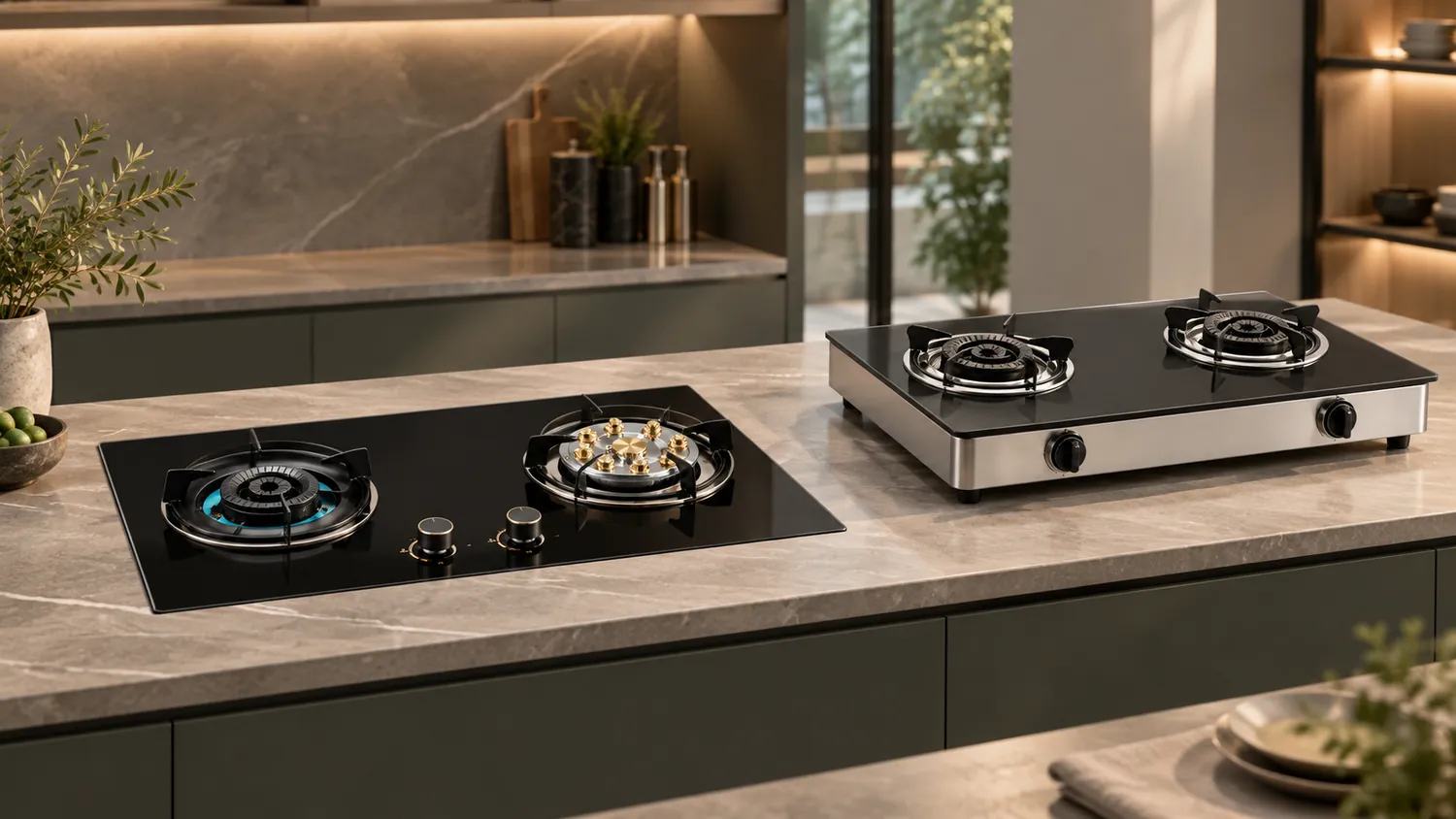
Built-in gas hobs require dimensions and installation conditions appropriate for the worktop and surrounding equipment. Tabletop appliances still need suitable placement and ventilation as described in their verified instructions. Neither category should be described as universally installable. Buyers should obtain model-specific instructions and have local professionals assess installation obligations where necessary.
Compare Lichef's built-in gas hob collections and tabletop gas stove collections as starting points, not as evidence of universal compatibility.
4. Review product markings and instructions
Country-specific rules may require information on the appliance and package, including product identification, designated gas type, restrictions and warnings. User and installer instructions may have language and content requirements. These items should be checked before private-label artwork is approved, not treated as optional design details after order confirmation.
5. Confirm market access documentation
Before ordering, ask what relevant test reports, declarations, approvals or conformity documents can be provided for the exact model and destination. The required evidence and responsible economic operators vary by market. An attractive catalog photo does not establish approval, and a generic certificate cannot be assumed to cover every variant in a model family.
| Verification item | Buyer question |
|---|---|
| Designated gas | What gas family, category and supply conditions is this exact unit designed for? |
| Installation | Which model-specific placement and ventilation instructions apply? |
| Connections | What fittings or accessories are included and what must be supplied locally? |
| Markings | What labels, warnings and instructions are required for this destination? |
| Conformity evidence | What verified model-level documentation is available for this market? |
| Private-label changes | Do branding or configuration changes affect documentation or responsibilities? |
6. Coordinate OEM labeling with technical review
Private-label teams need to keep brand identity separate from regulatory obligations. Replacing a logo does not replace the duty to supply correct model identification, technical instructions or legally required labeling. Ask the manufacturer and your local compliance adviser to review the planned changes and responsibilities. Visit Lichef's OEM cooperation page for the sourcing sequence.
A practical decision sequence
First select the intended market, then confirm the gas supply conditions and relevant rules. Shortlist the precise appliance model. Request technical drawings, labels and evidence. Review the proposed packing and manual. Only after these points are understood should commercial quantities or brand-specific packaging be finalized.
If you are uncertain about the correct configuration, ask the supplier for the options available for your destination, but have the actual market requirements verified by a competent local professional or conformity specialist. Lichef can be contacted through the product inquiry page.
Frequently asked questions
Can natural-gas and LPG stoves be used interchangeably?
Do not assume so. Gas family, pressure and approved appliance configuration must match. Any authorized adjustments require proper procedures and professional assessment.
Does a certification apply to all models from one supplier?
Not automatically. Verify the scope and validity of the documentation for the exact model or approved family and destination.
Who is responsible for checking import requirements?
Responsibilities depend on local law and the business role of each operator. Importers should verify obligations for their destination and coordinate with manufacturers and appropriate conformity specialists.
Discuss a model with Lichef.
Share the destination market, intended product type, model references and estimated quantity to start a concrete sourcing conversation.