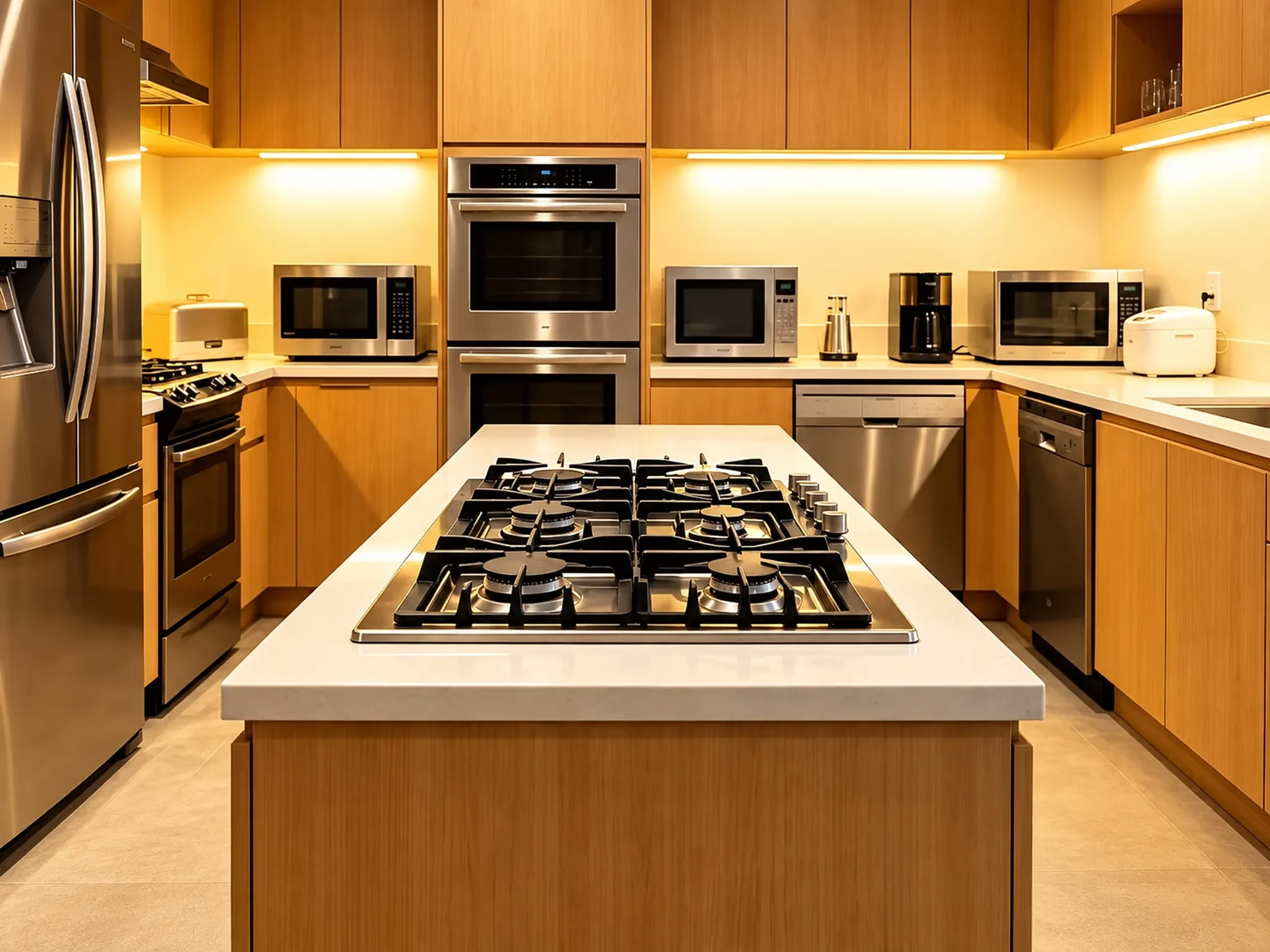
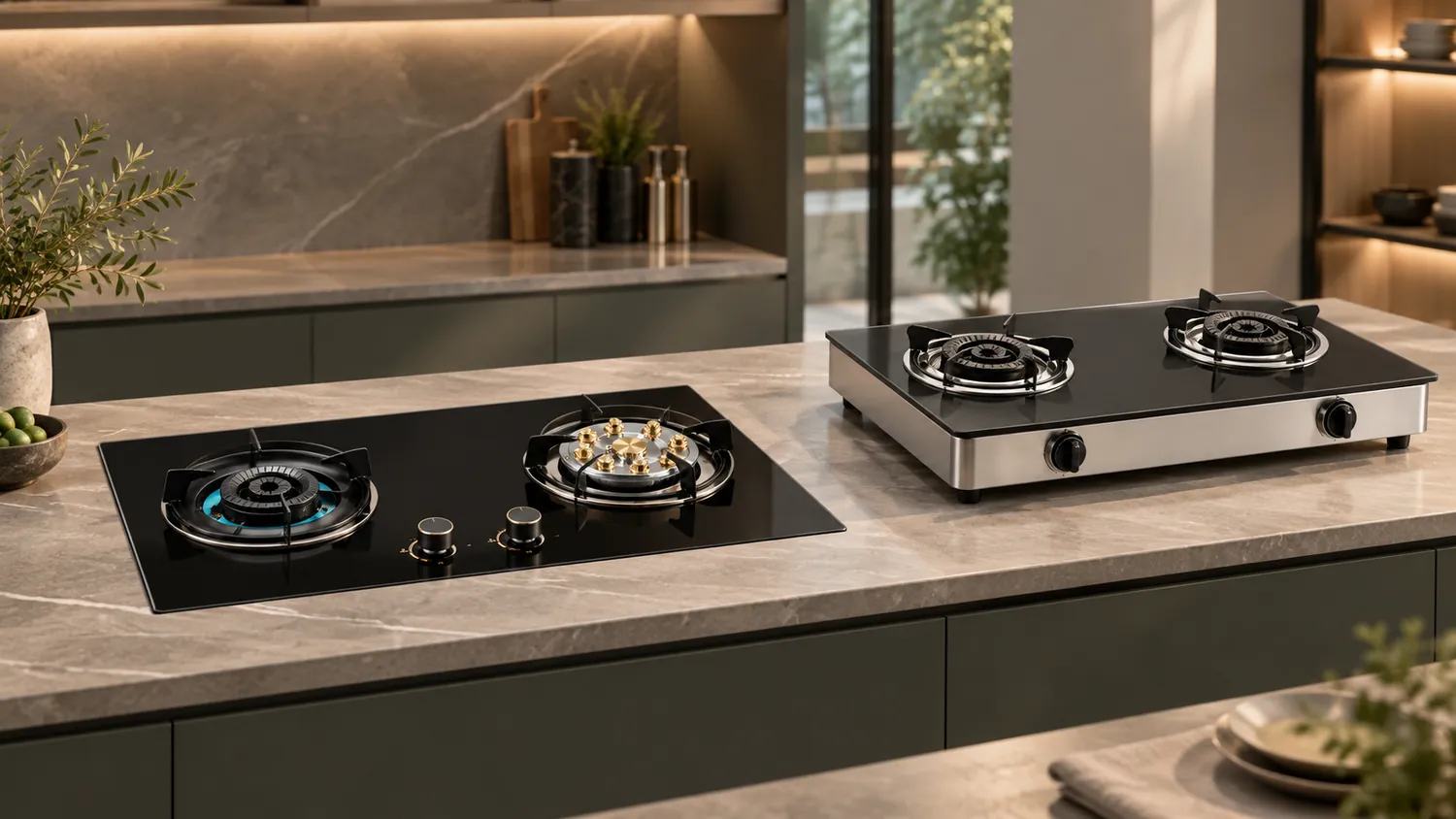
Gas Stove

Burner count is a useful way to organize a gas stove catalog, but it should not be the only way to select products. Single-burner, double-burner and triple-burner stoves differ in cooking layout, available surface area, installation requirements and product positioning. The right choice depends on the customer's kitchen, cookware patterns, budget expectations and designated gas conditions. Wholesale buyers should shortlist by real model and intended use rather than promising that a higher burner count automatically delivers better cooking performance.
Single-burner stoves: focused formats
Single-burner gas stoves can support product ranges that prioritize a compact footprint or an individual cooking station. They are available across different structures, including standalone tabletop models and built-in hobs, where offered. Burner size, pan support and gas compatibility should be checked model by model.
Lichef has dedicated single-burner tabletop and single-burner built-in categories, reflecting the customer's original catalog. These categories should not be treated as technically identical: a built-in hob requires its own installation information.
Questions to ask when reviewing a single-burner unit
- Is the stove meant for a particular countertop installation or a freestanding placement?
- What cookware and pan-support arrangement is appropriate for that model?
- Is the fuel configuration intended for the destination market?
- Which accessories and carton format are included?
Double-burner stoves: range-building flexibility
Double-burner formats give customers two cooking stations, but the layout and functionality can differ significantly. Spacing between burners, pan support geometry, location of controls, body construction and installation type all affect usability and merchandising.
For importers, double-burner products can anchor a distinct product family if there is demand from the channel. However, this is not a universal rule: the right assortment depends on the buyer's own sales history and regional preferences. Start by comparing tabletop double-burner models against built-in double-burner models.
Triple-burner stoves: a distinct layout, not just an extra burner
Three-burner stoves provide additional cooking positions, but the usable configuration depends on burner placement and cookware clearances. A three-burner product may also have a different body shape, control arrangement or packaging footprint. As with other formats, do not infer total heat input or suitability from burner count alone.
The client's featured gas stove collection includes a three-burner section. Treat the exact model images as a starting point; confirm all critical measurements before selling the unit into a fitted-kitchen project or a particular distributor channel.
Compare the questions buyers should ask
| Layout | What to check first | Common procurement oversight |
|---|---|---|
| Single burner | Placement, model dimensions and cookware support | Assuming all single burners are alike |
| Double burner | Burner spacing, controls and countertop/body format | Treating built-in and tabletop as interchangeable |
| Triple burner | Overall footprint, arrangement and packaging dimensions | Assuming the extra burner implies higher suitability |
No burner-count group removes the need to check gas compatibility, local installation rules, labeling and documentation.
Plan the assortment by customer segment
An importer selling through household appliance retailers may need a different assortment than a distributor serving kitchen projects or commercial buyers. Begin with channels and intended environments, then shortlist the specific stove types needed for those customers. The manufacturer's product categories can support the research, but they do not replace sales-channel evidence.
One practical method is to group candidate models by installation (built-in versus tabletop), then by burner count, then by visible finish and optional branding. This hierarchy helps avoid unproductive comparisons across entirely different product structures.
Sampling and verification before an order
Use a model-level sample process when appropriate. Confirm dimensions, designated gas configuration, visible materials, available instructions, carton information and any safety or market evidence needed. Ask the supplier whether the selected model is offered in exactly the configuration being quoted. Keep model codes and photographs together so the wrong burner assembly is not substituted accidentally.
Buyers considering private-label positioning should also review the OEM cooperation page. Labeling and packaging should be settled only after the selected base model and market suitability are understood.
Common questions
Is a triple-burner stove always more powerful?
Not necessarily. Actual performance depends on the individual burners, gas configuration and the specific stove design. Compare verified specifications, not burner count alone.
Are double-burner models only for households?
No. Intended applications differ by model. A household-looking stove should not be assumed suitable for commercial use without manufacturer confirmation.
How many models should a new distributor launch?
There is no universal quantity. Consider local demand, capital, product documentation and the ability to support each SKU. A focused initial assortment can be easier to manage than a broad unverified one.
Discuss a model with Lichef.
Share the destination market, intended product type, model references and estimated quantity to start a concrete sourcing conversation.